Christmas Color Schemes: 8 Palettes and How to Use Them
Pick a Christmas color scheme with confidence. Eight palettes, from classic red and green to Scandinavian and modern, with tips for mixing them in every room.

The easiest way to make a home look finished at Christmas is to choose a color scheme before you buy anything. Pick two main colors and one accent, then repeat them in the tree, table, mantel and entry. Below are eight palettes and how to pull each one off.
How to choose a palette
- Look at your room. Wall color, furniture and rugs are your starting point. Warm rooms suit red, gold and wood; cool rooms suit blue, silver and white.
- Consider what you already own. Ornaments you love may set your palette.
- Think about mood. Cozy, elegant, playful or calm.
- Limit it. Two main colors plus one accent.
- Test it. Hold ribbon and ornaments next to each other in daylight and lamplight.
Eight palettes
1. Classic red and green
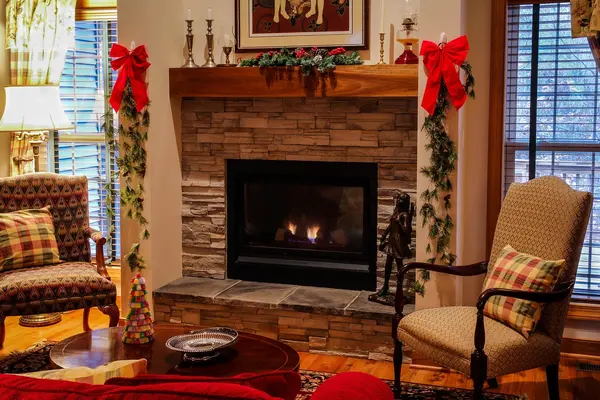
Deep red, evergreen and a touch of gold. Use real or faux greenery, plaid ribbon and red berries. Warm white lights keep it cheerful.
2. Scandinavian
White, natural wood, soft gray and a little red. Think straw stars, paper hearts, simple wood ornaments and candles in clear glass. Keep surfaces clean and uncluttered.
3. Rustic and woodland
Browns, creams, forest green and cranberry. Use pine cones, burlap or linen, wood slices, twine and plaid. Great with a foraged decor approach.
4. Modern minimal
White, black and one metal such as brass. Use geometric shapes, bare branches in vases and a tree with only two ornament types.
5. Winter wonderland
White, silver, ice blue and clear glass. Add mirrored pieces, white branches and soft cotton or faux fur throws.
6. Gold and neutrals
Cream, champagne, gold and a hint of black. Elegant for entertaining with satin ribbon and candles.
7. Jewel tones
Emerald, sapphire, burgundy and gold. Rich velvet ribbon and deep colors look good in dark rooms.
8. Pastel or playful
Blush pink, mint, pale blue and white. Fun for kids’ rooms and small spaces.
How to apply a palette in each room
- Tree. One ribbon, two ornament colors and one metallic. See how to decorate a Christmas tree.
- Mantel. Garland, candles and stockings in your main colors. See mantel ideas.
- Table. Napkins, runner and candles tied to the palette. Read how to set a Christmas table.
- Entry. Wreath, bow and doormat repeat a color from indoors.
- Gifts. Wrap in two coordinating papers and one ribbon for a cohesive look under the tree.
Tips to avoid common mistakes
- Do not use more than three colors unless that is the point (a colorful vintage tree can work).
- Repeat colors in odd numbers and in at least three places.
- Balance warm and cool. If your palette is cool, bring in warm white lights so it does not look icy.
- Add natural texture. Greenery, wood and fabric soften any palette.
- Mix finishes. Matte, shiny and glittery in the same color adds depth.
Mixing old and new
If you have a box of mismatched ornaments, group by color on different parts of the tree, or use a neutral tree and put your favorites at eye level. Sentimental pieces always get a place, regardless of palette.
Lighting changes everything
The same ornament looks different under warm white bulbs, cool white bulbs and daylight. Warm white (around 2700K) flatters red, gold and wood tones. Cool white suits blue, silver and white palettes but can feel harsh in a small room. Do not mix the two on one tree. Dim lamps in the evening also make a room feel calmer, so put a few table lamps on timers and let the tree be the brightest thing in the room.
Quick Checklist
- Look at your wall and furniture colors
- Choose two main colors and one accent
- Test ribbon and ornaments in daylight and lamplight
- Repeat the palette in at least three rooms
- Add warm white lights to unify everything
- Mix at least three textures
- Keep a place for sentimental ornaments
- Use battery candles near greenery
Frequently Asked Questions
What are the most popular Christmas color schemes?
Classic red and green, white and silver, gold and neutrals, Scandinavian red and white, and rustic natural tones are the most common. Many people also like blue and silver or all-white.
How many colors should I use for Christmas decorating?
Two main colors plus one accent, such as a metallic, is a reliable rule. It keeps the look coordinated without being boring.
How do I mix a color scheme with traditional ornaments?
Use a neutral base like white or wood and add the traditional pieces in small groups. Or tie them to your palette with matching ribbon and a repeated metallic.